


Let’s be honest—losing a tooth feels awful. Whether it happened because of an accident, decay, or gum disease, that gap in your smile can really knock your confidence. I remember talking to a friend who avoided smiling in photos for years after losing a front tooth. But here’s the good news: dental implante technology has completely changed the game for tooth replacement.
According to the American Academy of Implant Dentistry, about 3 million people in the United States already have implants teeth, and that number keeps growing by roughly 500,000 every year. Why? Because dental implants work incredibly well and feel just like natural teeth.
At Sunrise Mall Dental Center, we’ve helped countless patients restore their smiles through advanced implante dental procedures. In this guide, we’re going to walk through everything you need to know about the tooth implant process. Whether you’re just starting to consider your options or you’ve already scheduled a consultation, you’ll find practical information here that actually helps. No confusing medical jargon—just straightforward answers to the questions people really ask.
What is a Dental Implante?
Think of a dental implante as an artificial tooth root. It’s basically a small titanium post that gets surgically placed into your jawbone where your natural tooth used to be. Over time (usually a few months), that post fuses with your bone in a process called osseointegration. Sounds fancy, right? It just means your bone grows around the implant and holds it firmly in place.
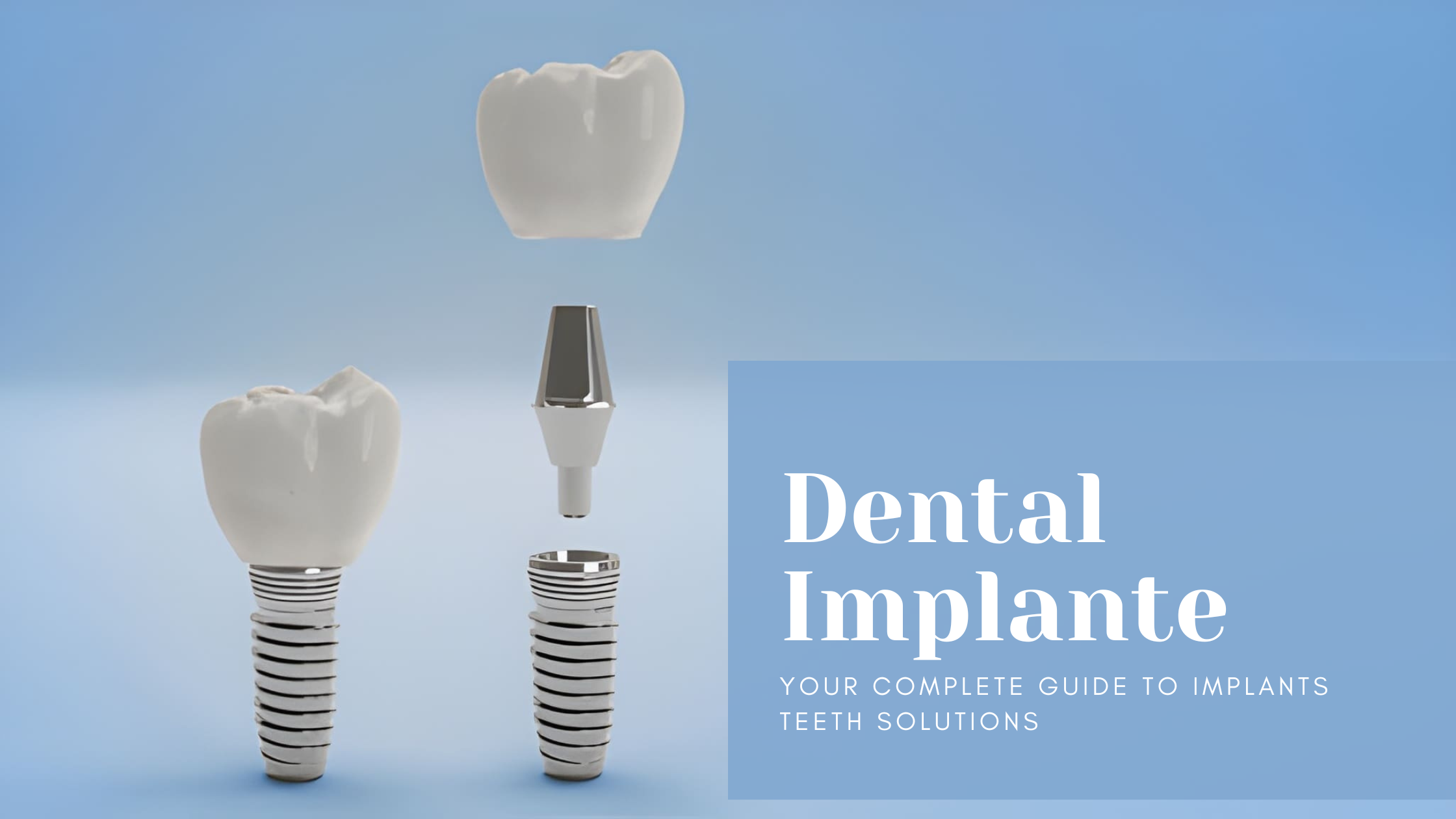
The implante dental system has three main parts:
- The titanium post – This goes into your jawbone and acts as the new root
- The abutment – A connector piece that attaches to the post
- The crown – The visible part that looks like a natural tooth
Now, you might be wondering how this differs from dentures or bridges. Dentures sit on your gums and sometimes slip around (which can be embarrassing during dinner). Bridges require grinding down healthy teeth on either side of the gap. But implants teeth? They stand alone without affecting your other teeth, and they’re permanent.
The benefits are pretty compelling. Dental implants look natural, feel comfortable, and function like real teeth. You can bite into an apple without worry. They also help preserve your jawbone, which naturally starts to deteriorate when you lose teeth. Plus, with proper care, they can last a lifetime.
Who Needs a Dental Implante?
Tooth loss happens more often than you’d think. The most common culprits include severe tooth decay, periodontal disease, injury from accidents or sports, and failed root canals. Sometimes teeth just don’t develop properly, or they’re lost due to genetic conditions.
But just because you’ve lost a tooth doesn’t automatically mean you’re a candidate for implante dental procedures. Your dentist will need to evaluate a few things first.
Ideal candidates typically have:
- Adequate bone density in the jaw (or the ability to receive bone grafting)
- Healthy gums free from periodontal disease
- Good overall health that supports healing
- Realistic expectations about the process and results
Certain medical conditions might complicate things. Uncontrolled diabetes can slow healing, while active cancer treatment might require postponing the procedure. Heavy smoking significantly increases failure rates because it restricts blood flow to the gums. Your dentist will discuss these factors during your consultation.
As for age? There’s no upper limit for dental implants, though we generally wait until teenagers have finished growing (usually around 18) before placing implants. I’ve known patients in their 80s who’ve successfully received implants teeth and couldn’t be happier with the results.
The Tooth Implant Process: Step-by-Step
Alright, let’s walk through what actually happens when you get a dental implante. The process takes several months, but understanding each phase helps manage expectations.
Initial Consultation Your journey starts with a comprehensive dental exam. Your dentist will take X-rays, possibly a 3D CT scan, and evaluate your medical history. They’ll check your bone quality, gum health, and the space available for the implant. This is when you ask all those questions you’ve been Googling at 2 AM. At Sunrise Mall Dental Center, we make this consultation as comfortable and informative as possible, ensuring you understand every step before moving forward.
Treatment Planning Based on the evaluation, your dentist creates a customized treatment plan. They’ll explain the timeline, costs, and any preparatory procedures needed. Some people need bone grafting before they can receive implants—we’ll talk about that in a moment.
Tooth Extraction (If Needed) If you still have a damaged tooth in the spot, it needs to come out first. Sometimes dentists can place an implant immediately after extraction, but often they prefer waiting a few months for the area to heal completely.
Bone Grafting Here’s something many people don’t realize: if you’ve been missing a tooth for a while, your jawbone may have deteriorated. Think of it like a muscle that shrinks when you don’t use it. Bone grafting builds up that area so it can support an implant. The graft material (which can come from your own body, a donor, or synthetic sources) gets placed in your jaw and needs several months to integrate before moving forward.
Surgical Placement This is the big day. Under local anesthesia (sometimes with sedation if you’re anxious), your oral surgeon makes a small incision in your gum and drills a precise hole in your jawbone. The titanium post gets carefully positioned, and the gum is stitched closed over it. Most people report that it’s far less painful than they expected—often easier than a tooth extraction.
Healing and Osseointegration Now comes the waiting game. Over the next 3-6 months, your bone grows around the implant post, creating a rock-solid foundation. During this time, you might wear a temporary denture or bridge for appearance’s sake. Patience here really pays off.
Abutment Placement Once osseointegration is complete, you’ll need a minor follow-up procedure. Your dentist reopens the gum, attaches the abutment to the implant post, and closes the tissue around it (not over it this time). Your gum needs about two weeks to heal around the abutment.
Crown Attachment Finally! Your dentist takes impressions of your mouth to create a custom crown that matches your natural teeth perfectly. When it’s ready, they cement or screw it onto the abutment. You walk out with a complete, functional tooth.
The entire tooth implant process typically takes 5-8 months from start to finish. Some cases move faster, others take longer. It depends on whether you need extractions, bone grafting, and how quickly your body heals.
Types of Dental Implants
Not all dental implante solutions look the same. Your specific situation determines which type works best.
Single Tooth Replacement Lost one tooth? A single implante dental post topped with a crown restores that gap perfectly without touching neighboring teeth. It’s the most common scenario.
Multiple Teeth Replacement Missing several teeth in a row? You don’t need an implant for each one. Often, two or three implants can support a bridge covering multiple missing teeth. This approach costs less than individual implants while providing excellent stability.
All-on-4 and Full Arch Replacements For people missing most or all teeth in an arch, All-on-4 technology offers an impressive solution. Just four strategically placed implants can support an entire arch of replacement teeth. It’s life-changing for those who’ve struggled with dentures.
Mini Implants These narrower implants work well in tight spaces or when bone density is limited. They’re less invasive to place but typically used for stabilizing lower dentures rather than replacing individual teeth. Standard implants remain the gold standard for most situations.
Recovery and Aftercare
Let’s talk about what happens after your dental implante surgery because this is where following instructions really matters.
Immediately After Surgery Expect some swelling, bruising, and minor bleeding for the first few days. Your face might look like you got into a fight—totally normal. Apply ice packs for the first 24 hours, alternating 20 minutes on and 20 minutes off.
Pain Management Most patients manage discomfort with over-the-counter pain relievers like ibuprofen. Your dentist might prescribe something stronger for the first few days. The pain typically peaks around day two or three, then steadily improves.
Dietary Changes Stick with soft foods during the initial healing period. Think yogurt, smoothies, scrambled eggs, mashed potatoes, and soup. Avoid anything crunchy, chewy, or extremely hot. Gradually reintroduce normal foods as healing progresses. I know someone who lived on protein shakes and ice cream for a week—she said the ice cream part wasn’t terrible!
Oral Hygiene Keep your mouth clean, but be gentle around the surgical site. Use a soft-bristled toothbrush and avoid the implant area for the first few days. Your dentist might recommend a special antimicrobial rinse. Once everything heals, brush and floss your implants teeth just like natural ones.
Long-Term Maintenance Dental implants don’t get cavities, but the surrounding gum tissue can still develop infections if you neglect oral hygiene. Regular brushing, flossing, and dental checkups keep everything healthy. Many dentists recommend special floss designed for implants that cleans around the posts more effectively.
Cost Considerations
Let’s address the elephant in the room: dental implante procedures aren’t cheap. But understanding the costs helps you plan accordingly.
A single tooth implant typically runs between $3,000 and $6,000, including the post, abutment, and crown. That’s the all-in price. Multiple implants teeth naturally cost more, though there are some economies of scale. Full-mouth restoration with implants can range from $25,000 to $100,000 depending on complexity and materials used.
What affects implante dental costs?
- Your geographic location (procedures cost more in major cities)
- The dentist’s experience and credentials
- Whether you need bone grafting or extractions first
- The type and quality of materials used
- Whether sedation is required
Insurance and Financing Here’s the frustrating part: most dental insurance plans consider implants cosmetic and won’t cover them. However, some newer plans are starting to offer partial coverage. If your tooth loss resulted from an accident, medical insurance might chip in. Always check before assuming you’ll pay everything out of pocket.
Many dental practices offer financing plans that spread payments over time. Some patients use healthcare credit cards with promotional interest-free periods. It’s worth asking about all available options.
Cost Comparison Bridges typically cost $2,500-$6,000 but need replacement every 10-15 years. Dentures run $1,000-$3,000 and require periodic adjustments or replacement. When you calculate the tooth implant process cost over 20-30 years, implants often prove more economical despite the higher upfront expense.
Success Rates and Longevity
Here’s something encouraging: dental implants have an impressive success rate of about 95-98% overall. For lower jaw implants, that number pushes even higher—around 98%. Upper jaw implants have slightly lower success rates (around 90-95%) because the bone is typically less dense.
What influences implante dental longevity?
Good oral hygiene tops the list. People who maintain excellent brushing and flossing habits rarely have problems. Smoking dramatically increases failure risk—implants in smokers fail 2-3 times more often than in non-smokers. Conditions like diabetes or osteoporosis can affect outcomes, though well-managed conditions usually don’t cause major issues.
With proper care, implants teeth can last 25 years or even a lifetime. The crown might need replacement after 10-15 years due to normal wear, but the implant post itself often remains solid indefinitely.
Warning Signs of Problems
Contact your dentist if you notice:
- Persistent pain or swelling around the implant
- Loosening of the crown or implant
- Difficulty chewing
- Gum recession around the implant
- Any unusual discharge or bad taste
Catching problems early prevents more serious complications. Most issues that develop can be treated successfully if addressed promptly.
Conclusion
Getting a dental implante might seem daunting at first—I get it. The process takes months, requires surgery, and costs a significant amount of money. But for most people who’ve gone through it, the results are absolutely worth it.
You’re not just replacing a missing tooth. You’re restoring your ability to eat comfortably, speak clearly, and smile confidently. You’re protecting your jawbone and preventing the facial collapse that often happens with long-term tooth loss. You’re investing in a solution that, with proper care, should last for decades.
The tooth implant process has become incredibly refined over the past few decades. Dentists and oral surgeons perform these procedures thousands of times with excellent outcomes. If you’re considering implants teeth, start by scheduling consultations with a couple of qualified dental professionals. Ask questions, discuss your concerns, and get their assessment of your specific situation.
Don’t let fear or uncertainty keep you living with missing teeth. Modern implante dental technology offers a proven, reliable solution that can dramatically improve your quality of life. Take that first step—your future smile will thank you.
